In an unprecedented and shocking moment that left audiences on the edge of their seats, former President Donald Trump confronted a question from Jimmy Kimmel that has reverberated across media platforms: “Can you read this?” This four-word inquiry shattered his bravado and exposed a raw vulnerability during a highly anticipated interview on “Jimmy Kimmel Live.” As Trump boasted about his purported intelligence and mastery of the Constitution, the facade of his self-proclaimed “stable genius” crumbled when faced with a simple reading test that he ultimately failed to conquer.
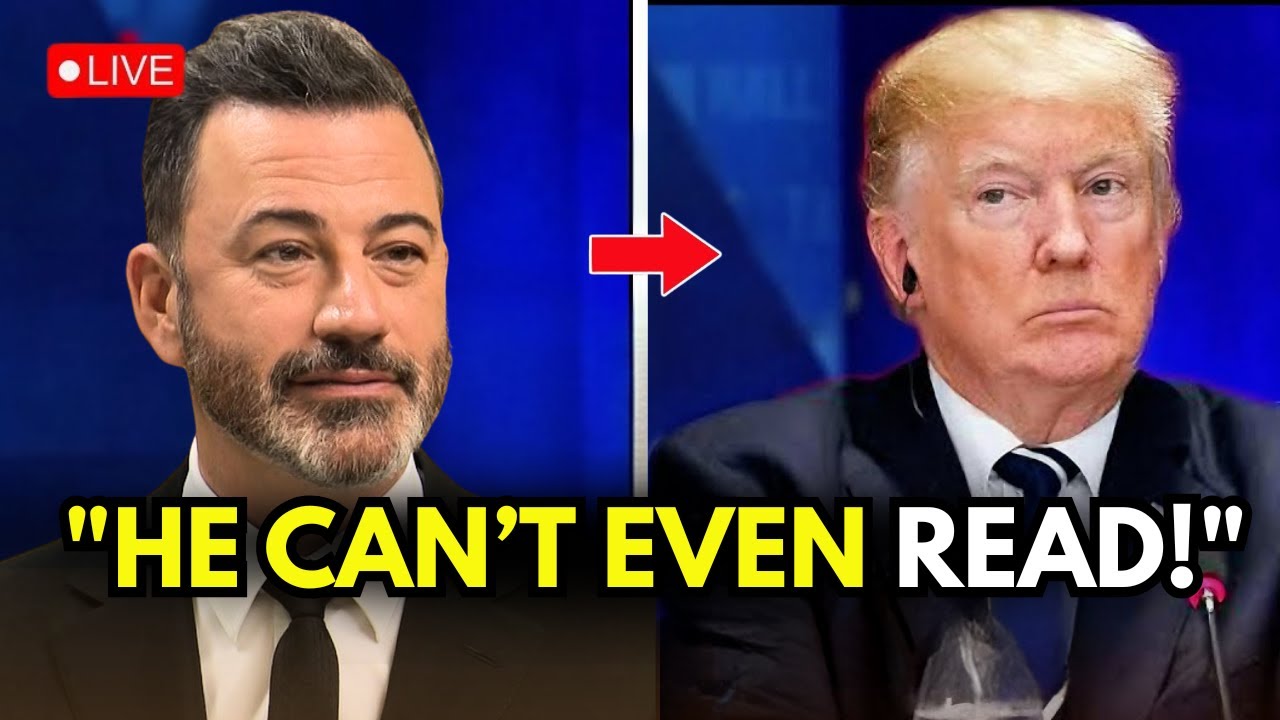
The atmosphere in the studio was charged with palpable tension, as Kimmel’s audience braced themselves for a showdown between the former president and the late-night host. Trump entered the stage exuding his trademark bravado amidst a chorus of mixed cheers and boos, asserting his intellectual superiority with a string of bravado-laden platitudes. “If I were a liberal Democrat, people would say I’m the super genius of all time,” he declared, setting the tone for a heated exchange. A fight for reputation was brewing, and the stakes couldn’t be higher as the audience sensed the potential for a pivotal television moment.
As Kimmel played the skeptical host, the carefully orchestrated dance of words escalated. Trump boisterously defended his knowledge of complex documents, dismissing accusations that he does not read, with claims of superior understanding over lawyers and judges alike. “I read more than anyone. I know the Constitution better than the judges,” Trump declared, as the audience watched in rapt attention. But Kimmel, maintaining a calm demeanor, strategically redirected the conversation, highlighting the damning question lurking just beneath the surface: did he even read the books he claimed to?
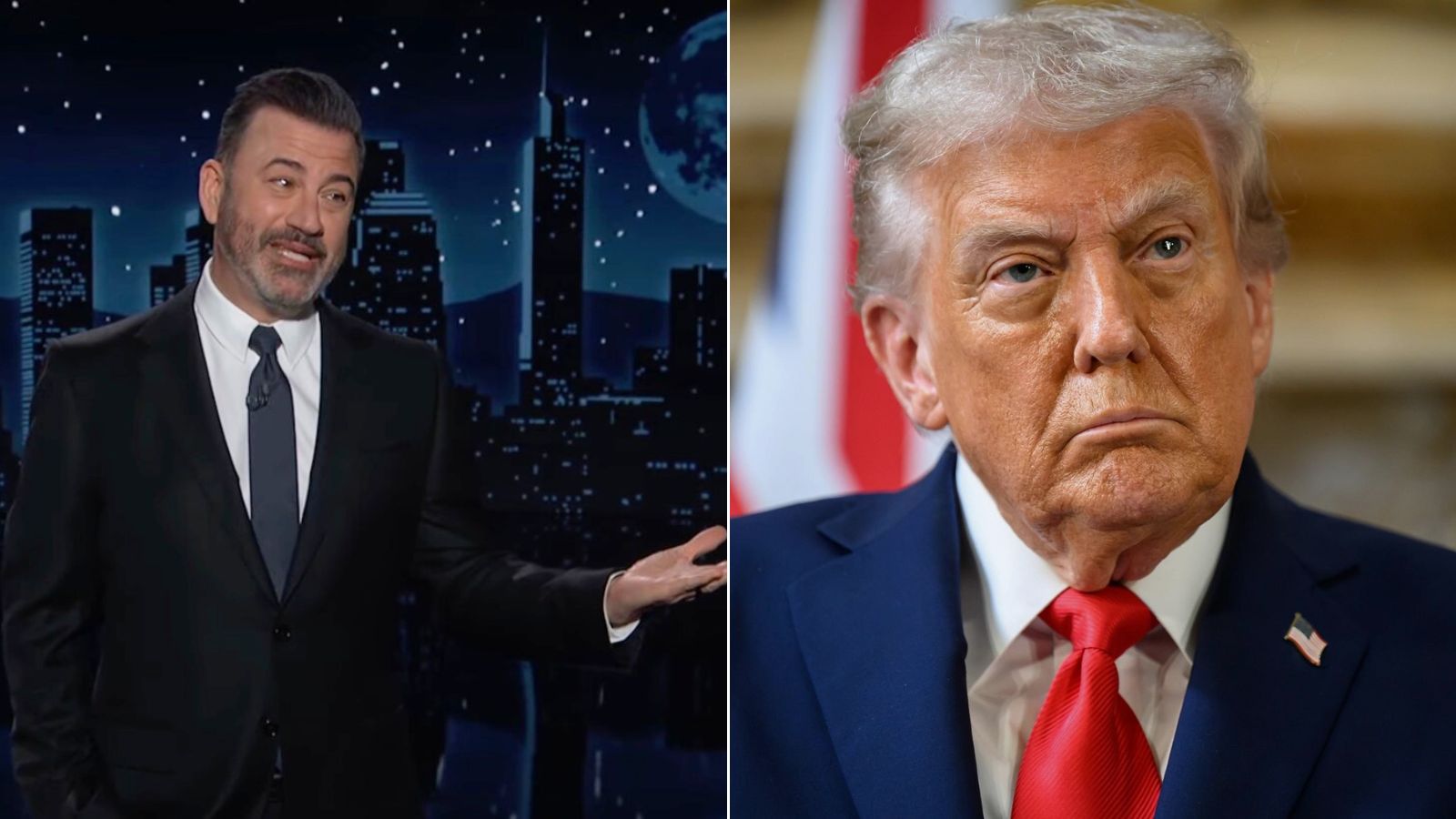
When Kimmel pulled out a printed copy of the Constitution’s preamble, the tension screamed through the room. The moment presented an ultimatum: could the “stable genius” read the very document that undergirded his presidency? Anxiety swelled as Trump squinted at the paper, his bravado faltering with each passing moment. “I just want you to read the first sentence,” Kimmel prompted, leaning back, allowing the silence to envelop the studio.
The former president’s eyes darted across the text, but the words seemed to evade him. Trump’s passionate bluster gave way to an unsettling reluctance as he stammered through a vague paraphrase, desperately attempting to reclaim his narrative. “It’s about the people, and we’re going to take care of the people,” he offered, tangentially reaffirming his long-touted campaign slogans, but without directly addressing Kimmel’s request. The room fell into a tension-filled quiet, the atmosphere thickening with every hesitating second that ticked by.
In an effort to support his increasingly floundering guest, Kimmel maintained poised engagement, but the audience could see the shift—Trump was visibly sweating, trapped by his own words. The facade was slowly disintegrating, and it became starkly clear that beneath the bluster and bravado lay a vulnerability that Trump had rarely, if ever, exhibited before. As he finally faced Kimmel’s piercing gaze and the decisive question, time itself seemed to suspend. “Can you read this?” hung in the air, a simple yet devastating challenge.
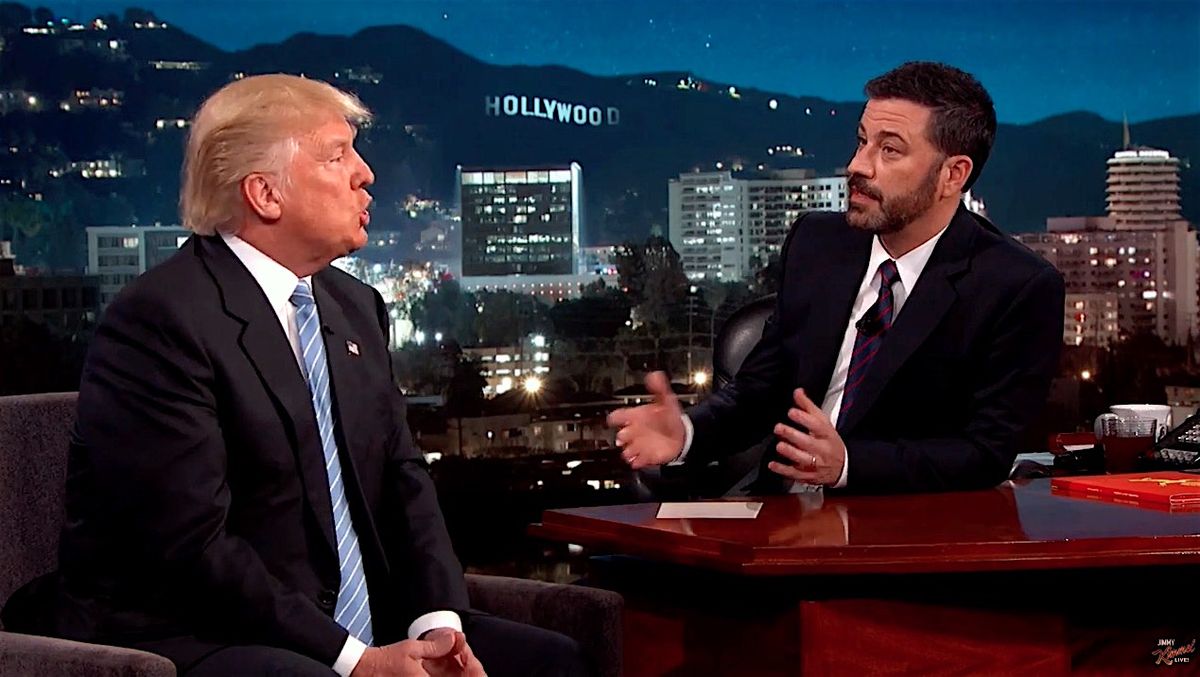
The weight of that moment proved too much. Trump, frozen and stripped of his defenses, faltered in response. The defiance that so often colored his public persona gave way to an unsettling truth. Trump looked at the paper before him, then back at Kimmel, his vulnerability becoming painfully evident. He could neither affirm nor deny; the silence enveloped him, an echo of his own making. The unthinkable had happened. The “great reader” was confronted with the reality of his illiteracy—but he couldn’t admit it.
In a dramatic turn, Trump abruptly stood from his seat, knocking his microphone against the desk in a clumsy act of retreat. “This is a setup,” he hissed as he stormed offstage, layering anger and desperation over the mounting embarrassment. The ramifications of this moment are being debated across the nation as critics and supporters alike dissect what this revelation means for Trump’s assertions of intellect.
The profound impact of the moment goes far beyond comedy. It challenges the narrative surrounding Trump’s self-proclaimed genius and raises fundamental questions about authenticity, competence, and transparency in leadership. In a world grappling with the complexities of power and perception, Trump’s exit from the Kimmel stage marked a significant shift in public discourse—one that may very well undermine the myth of the impenetrable “stable genius.”
As the remnants of the interview are analyzed, a pivotal truth emerges: this was not a debate won or lost on political grounds but a confrontation with reality, one that resonated deeply with a populace seeking clarity and accountability. Can the self-professed intellectual titan withstand the weight of such scrutiny? With this transformative exchange, the mask has slipped, and the stakes for Trump have never been higher. The fallout from this moment will undoubtedly echo long after the credits roll on Kimmel’s show, leaving the question—and many others—hanging in the air, unaddressed, and unanswered.
Will Trump be able to navigate the aftermath of this unsettling revelation? What remains to be seen is not just the legacy of this interview but the larger implications that might forfeit his claim to being the “great reader” he adamantly professes to be. As the nation waits with bated breath, the revelations from this now-iconic confrontation serve as a stern reminder: sometimes, the simplest of questions can unveil the most complex of truths.